



Uber and Lyft Accidents in California: Who’s Actually Liable?
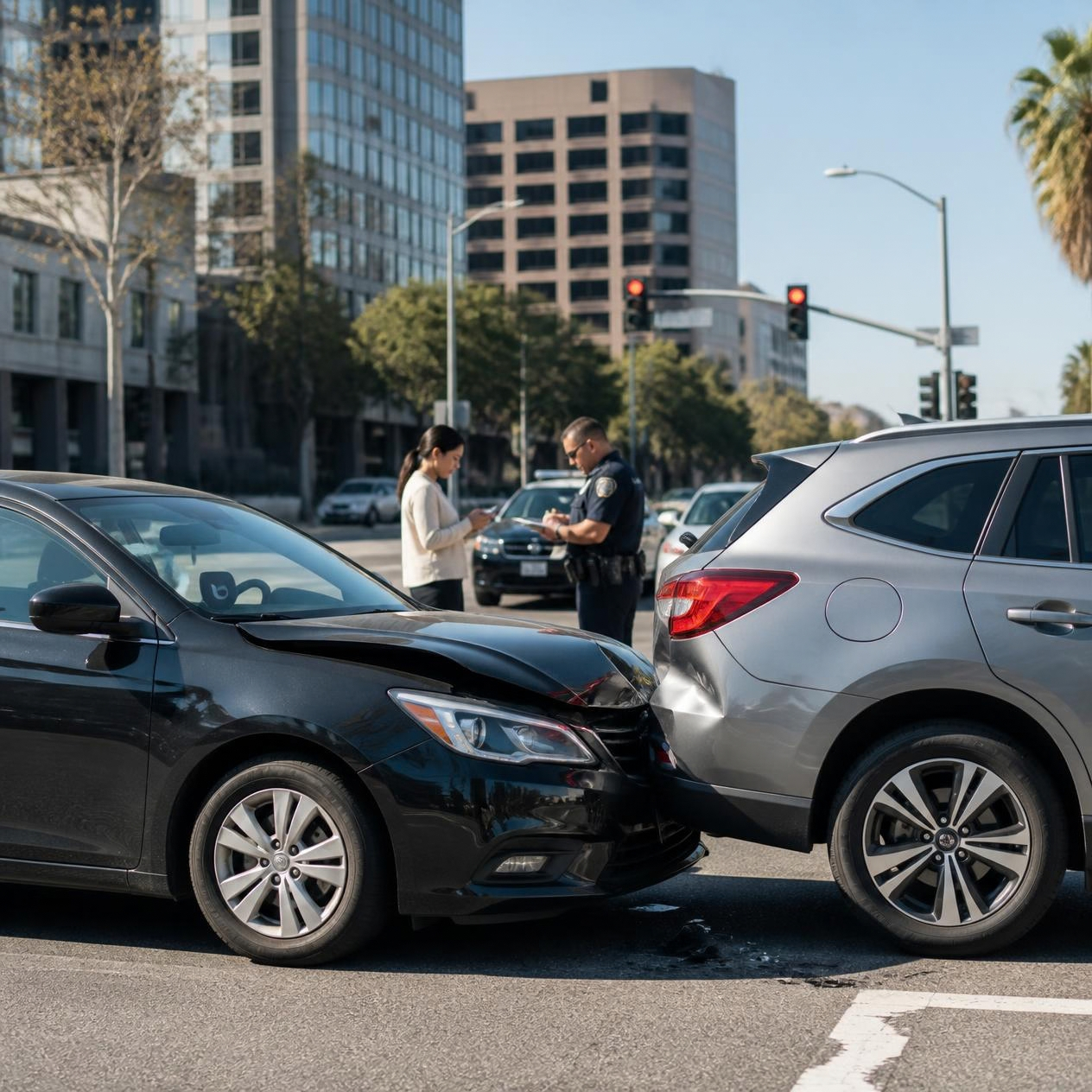
A rideshare accident isn’t handled like a typical car accident claim. Whether you were a passenger, the driver, or in another vehicle entirely, liability depends heavily on what the Uber or Lyft driver’s app status was at the moment of the crash.
Why Rideshare Claims Work Differently
Uber and Lyft drivers are classified as independent contractors, not employees, which changes how insurance responds. California law requires rideshare companies to carry specific tiers of insurance coverage depending on whether the driver’s app was off, on and waiting for a match, or actively transporting a passenger.
The Three Insurance Periods
- App off: The driver’s personal auto insurance applies, just as it would for any other driver
- App on, waiting for a ride request: Limited contingent liability coverage from Uber or Lyft applies if the driver’s personal policy doesn’t cover the accident
- En route to pick up or during a trip: Uber and Lyft’s full commercial liability coverage applies, typically up to $1 million
Why This Trips People Up
The app status at the moment of the crash directly determines which insurance policy is even in play and that status isn’t always obvious after the fact. Rideshare companies and their insurers routinely dispute exactly when a trip started or ended, which is often where these claims get contested.
What If Another Driver Caused the Accident?
Not every rideshare accident is the rideshare driver’s fault. If you were a passenger and a different driver caused the crash, that driver’s own insurance is typically the primary source of compensation, with Uber or Lyft’s coverage potentially available as a backstop if the at-fault driver is uninsured or underinsured. This is one of the more overlooked benefits of the mandatory commercial coverage rideshare companies carry it can end up protecting passengers even when the rideshare driver didn’t cause the crash.
What to Do After a Rideshare Accident
- Take a screenshot of the app showing your trip status or driver information before it disappears
- Get the rideshare driver’s name, license plate, and the platform they were using
- Report the accident through the app in addition to calling the police
- Keep in mind you may have a claim against the rideshare company’s insurer, the driver personally, or another at-fault driver, depending on the facts
Rideshare accident claims can involve multiple insurance policies and multiple potentially liable parties at once, which is exactly why they tend to be more complicated and more contested than a standard two-car accident.
Contact LAW OFFICES OF SHEENA RUDE today to schedule a free consultation: (818) 658-3700 | (408) 317-2550 | (858) 247-2724