



California’s New Robotaxi Law: What It Means If You’re Injured by a Driverless Vehicle
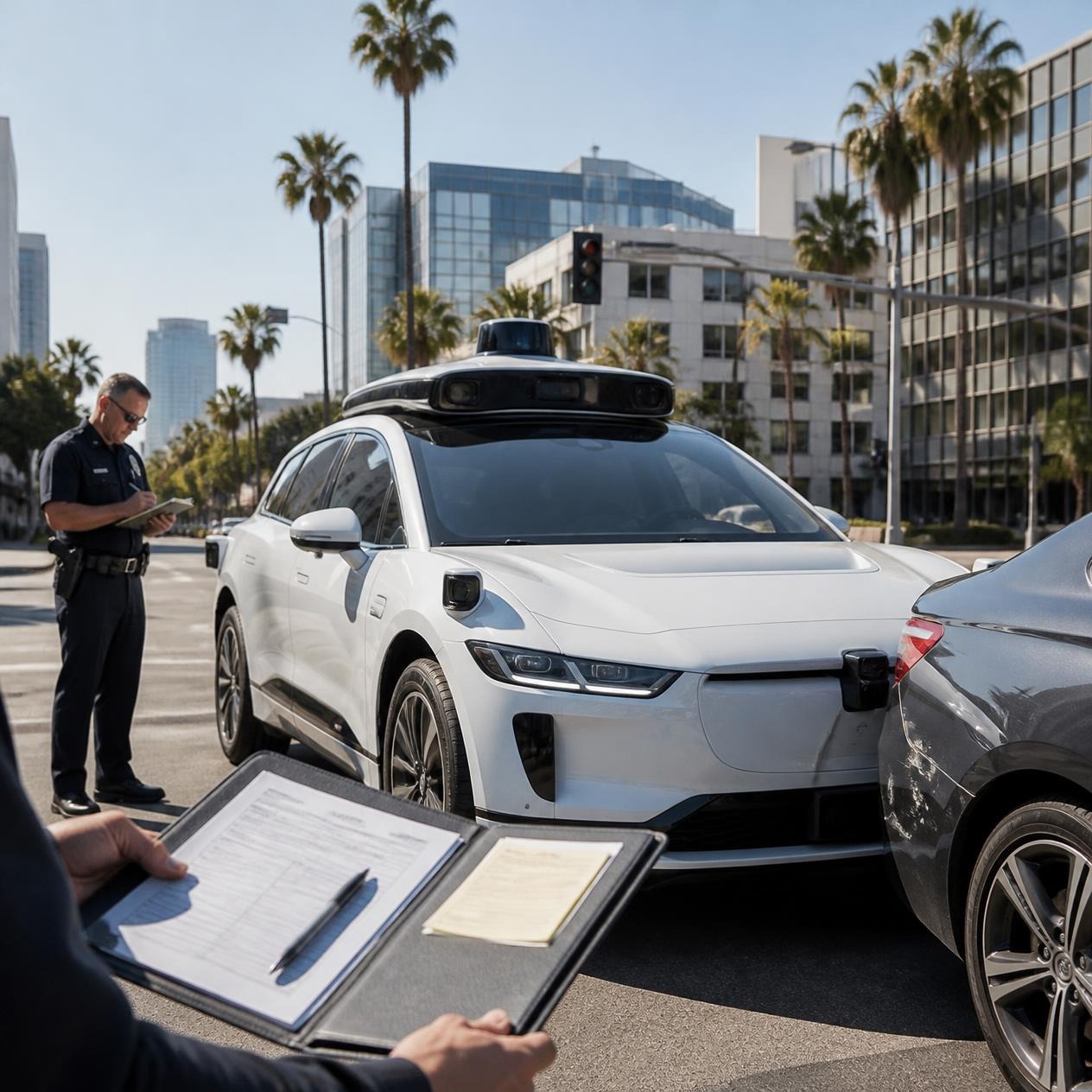
Self-driving cars are no longer a novelty on California roads, they’re a daily reality, especially across Los Angeles and the Bay Area. As of July 1, 2026, a new state law, AB 1777, requires manufacturers of fully driverless autonomous vehicles to equip their fleets with two-way communication devices so first responders can reach a remote operator during an emergency, and it gives officials the authority to redirect or geofence AVs out of active emergency zones.
For everyday drivers, passengers, and pedestrians, this raises an important question: who is responsible when a robotaxi causes a crash?
Why Driverless Accidents Are Different
When a human driver rear-ends you, your claim is built around that driver’s negligence, did they follow the speed limit, were they distracted, did they yield the right of way? A driverless vehicle removes the human decision-maker from the equation. Instead, the questions shift to the vehicle’s software, sensors, and how the manufacturer designed the system to behave in real-world conditions.
That shift matters because it can turn what would have been a straightforward auto accident claim into a product liability case against a large, well-resourced manufacturer rather than an individual driver’s insurance policy. These cases tend to be more complex, involve more parties (the manufacturer, the fleet operator, sometimes a sensor or parts supplier), and require attorneys who know how to obtain and interpret vehicle data logs.
Regulators Are Already Watching Closely
Robotaxi operators like Waymo have reported far fewer injury-causing crashes per mile than human drivers overall, but “safer on average” doesn’t mean “never at fault.” State regulators opened multiple investigations into autonomous vehicle incidents in 2025 and 2026, and manufacturers have issued fleet-wide recalls tied to software issues. If you’re injured in or by a driverless vehicle, that regulatory history can become important evidence in your claim.
What to Do If You’re Hurt in an AV-Related Accident
- Call 911 and get medical attention, even if injuries seem minor.
- Document everything — take photos of the vehicle, the scene, and any visible damage or malfunction indicators.
- Do not accept a quick settlement offer from a manufacturer’s insurer before speaking with an attorney. AV claims often involve larger companies with legal teams built to minimize payouts.
- Request the vehicle’s data logs early. This data can be overwritten or become harder to obtain the longer you wait.
- Speak with a personal injury attorney who understands both traditional negligence law and the emerging rules around autonomous vehicle liability.
How Sheena Rude Can Help
New technology means new legal territory, and insurance companies are still figuring out how to handle these claims — often in ways that favor themselves, not you. Our office stays current on California’s evolving autonomous vehicle laws so you don’t have to navigate this alone. Whether your accident involved a rideshare AV, a delivery robot, or a traditional vehicle sharing the road with driverless technology, we can help you understand your options. Learn more about our firm on our About Us page, or browse our blog for more updates on California injury law.
Contact LAW OFFICES OF SHEENA RUDE today to schedule a free consultation (818) 658-3700 | (408) 317-2550 | (858) 247-2724