


08:00 - 08:00

Our Opening Hours Mon. - Fri.

818.658.3700

Call Us For Free Consultation

Facebook

Linkedin

Instagram


Personal Injury

Sheenarude > Personal Injury

California’s Most Dangerous Intersections for Car Accidents (And Why)
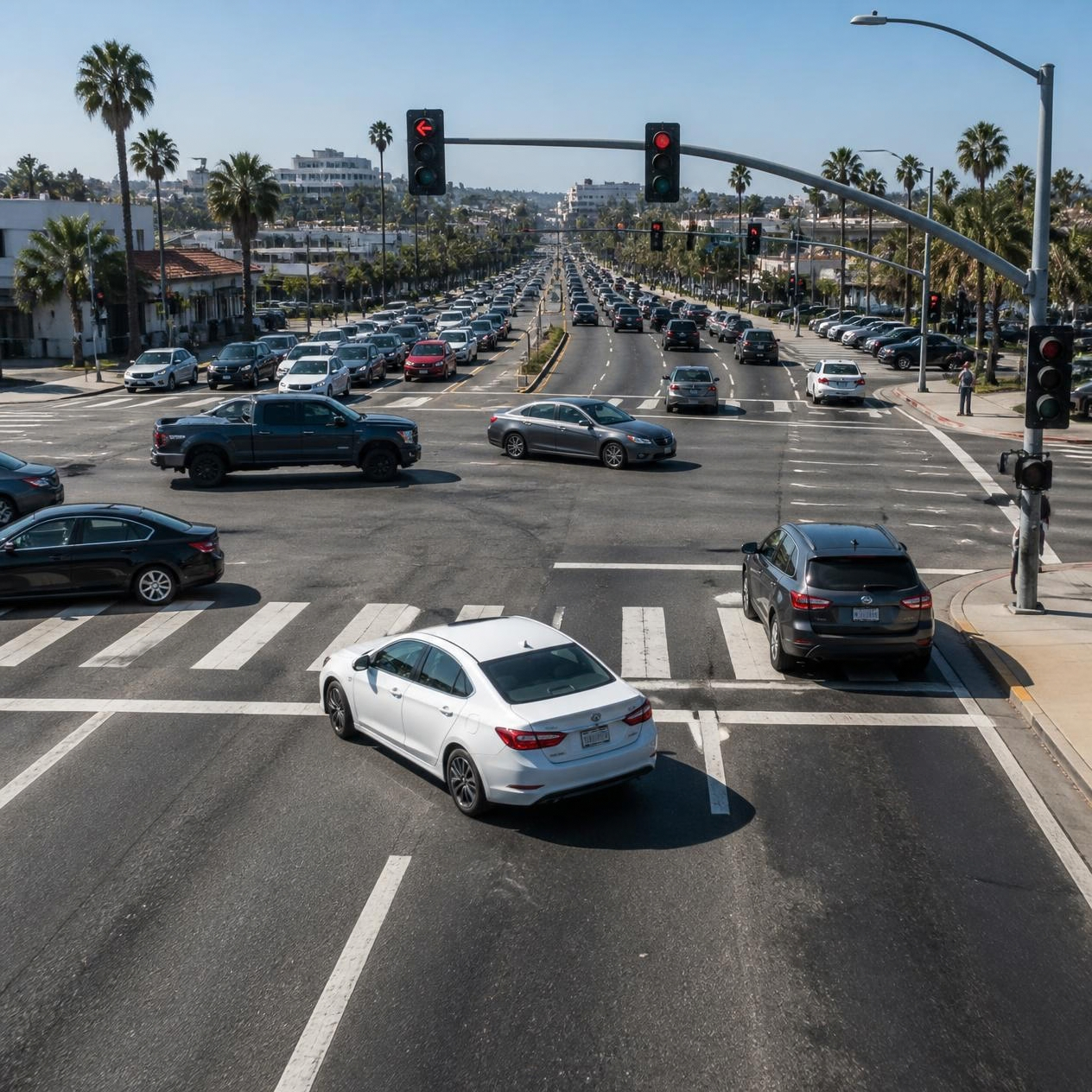
Some intersections are simply more dangerous than others, and the data backs it up. Analyses of California collision records compiled through the Statewide Integrated Traffic Records System (SWITRS) consistently point to the same patterns and the same general locations year after year. Southern California Dominates the List Studies analyzing hundreds of thousands of California crash records have repeatedly found that the vast majority of the state's most dangerous intersections sit in Southern California, with Los Angeles alone accounting for roughly half of them. The Northridge area of the San Fernando Valley intersections like Devonshire Street and Reseda Boulevard has shown up at...

Continue reading


What NOT to Say to an Insurance Adjuster After an Accident

The insurance adjuster who calls after your accident sounds friendly and helpful, and that's exactly the point. Their job is to resolve your claim for as little as possible, and a casual, well-meaning phone call is one of the easiest ways for that to happen. Here's what to watch for. "I'm fine" or "I don't think I'm hurt" Adrenaline and shock can mask injuries for hours or even days after an accident. Saying you're fine on a recorded call, even in passing, can later be used to argue your injuries weren't caused by the accident, or weren't serious to begin with. Apologizing, Even...

Continue reading

How Do Insurance Companies Actually Calculate Pain and Suffering in California?

Pain and suffering is one of the least understood parts of a personal injury claim, mostly because there's no receipt for it the way there is for medical bills or lost wages. That doesn't mean it isn't calculated insurers use fairly predictable methods, even if they don't explain them upfront. The Multiplier Method The most common approach takes your total economic damages medical bills, lost income, and related costs and multiplies that number, typically somewhere between 1.5 and 5, depending on the severity and permanence of the injury. A minor soft-tissue injury might sit at the low end; a permanent disability or...

Continue reading

How Long Do You Have to File a Personal Injury Claim in California?

One of the first questions every injury victim should ask is: how much time do I actually have? In California, the answer depends heavily on who you're suing and how the injury was discovered, and missing the deadline can end your case before it starts. The General Rule: Two Years For most personal injury claims in California — car accidents, slip and falls, dog bites, and similar negligence cases, you generally have two years from the date of the injury to file a lawsuit. This is set by California Code of Civil Procedure Section 335.1. Key Exceptions Worth Knowing Claims against a government agency...

Continue reading

Who Is At Fault in a Rear-End Collision in California?

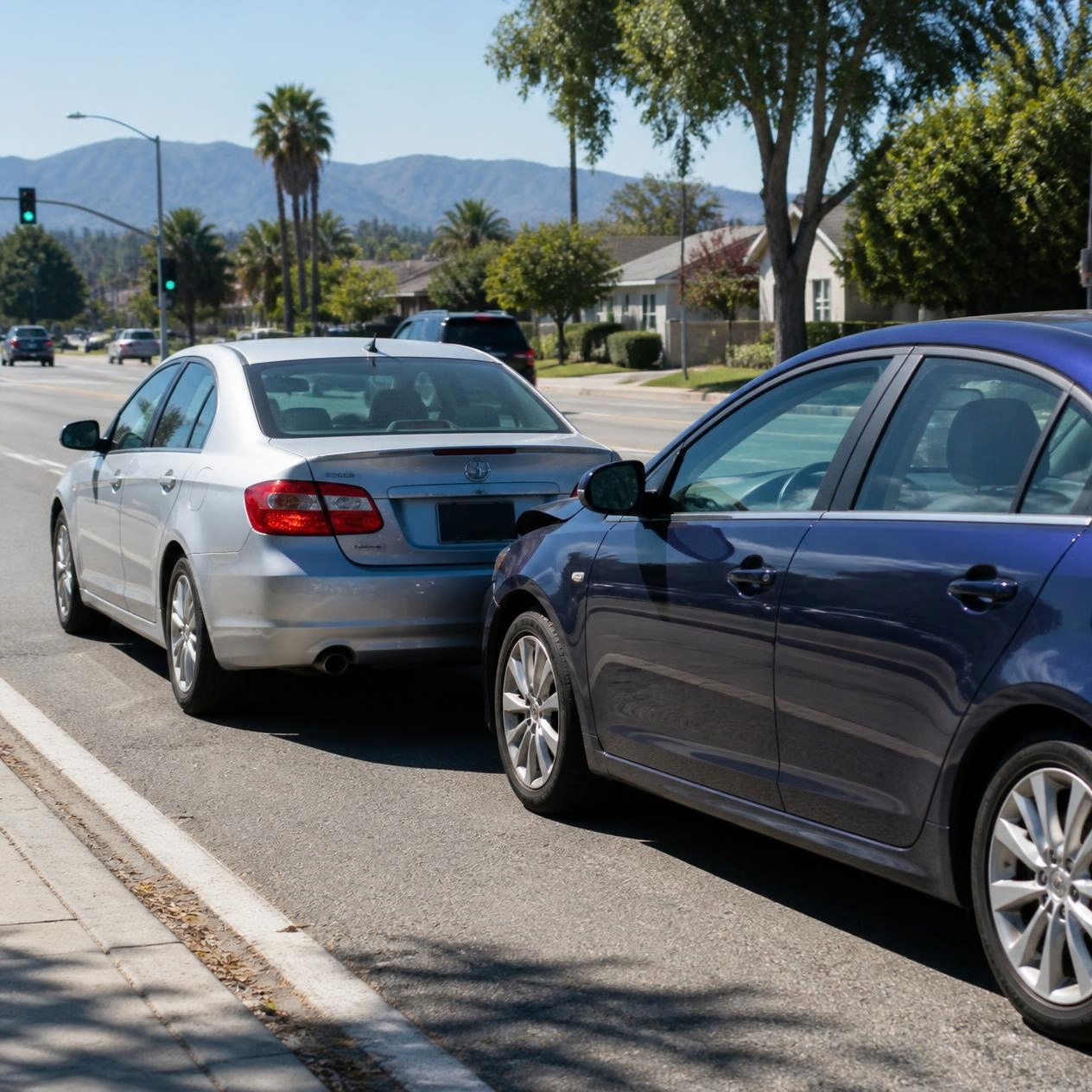
Rear-end collisions are one of the most common types of car accidents in California, and most people assume the driver in back is always to blame. That's usually true, but not automatically, and not in every situation. Here's how fault actually gets determined. The General Rule: Following Too Closely California law requires drivers to maintain a safe following distance, and in most rear-end collisions, the trailing driver is presumed negligent for failing to do so. Insurance companies default to this assumption too, which is why rear-end claims are often easier to resolve than other types of accidents. When the Front Driver Can Share...

Continue reading

Time Limits for Filing an Injury Claim in California

After an accident, dealing with medical appointments, insurance calls, and missed work is overwhelming enough, but there's a clock running in the background that many people don't think about until it's too late: the statute of limitations. The General Rule: Two Years Under California Code of Civil Procedure Section 335.1, most personal injury claims, including car accidents, slip and falls, and dog bites, must be filed within two years from the date of the injury. If you miss that deadline, courts will almost always dismiss your case, no matter how strong the evidence is, and you lose the right to recover compensation...

Continue reading

California’s New Robotaxi Law: What It Means If You’re Injured by a Driverless Vehicle

Self-driving cars are no longer a novelty on California roads, they're a daily reality, especially across Los Angeles and the Bay Area. As of July 1, 2026, a new state law, AB 1777, requires manufacturers of fully driverless autonomous vehicles to equip their fleets with two-way communication devices so first responders can reach a remote operator during an emergency, and it gives officials the authority to redirect or geofence AVs out of active emergency zones. For everyday drivers, passengers, and pedestrians, this raises an important question: who is responsible when a robotaxi causes a crash? Why Driverless Accidents Are Different When a human...

Continue reading

Claim Process a Dog Bite Lawyer Los Angeles Victims File Must Follow

Dog Bite Lawyer

A dog bite can lead to painful injuries, permanent scarring, emotional trauma, and costly medical treatment. Many victims are unsure what steps to take after an attack or how to begin a legal claim. Understanding the claim process a dog bite lawyer in Los Angeles victims rely on may help protect your right to seek compensation. What Should You Do Immediately After a Dog Bite? The steps you take after a dog attack may significantly affect your case. Seek Medical Attention Even minor bites may become infected or cause nerve damage. Report the Incident Notify local animal control or law enforcement to document the attack. Identify the Dog...

Continue reading

Understanding Personal Injury Protection (PIP): A Simple Guide for Accident Victims

Personal Injury Protection

After a car accident, medical bills and lost wages can quickly become overwhelming. Personal Injury Protection (PIP) is designed to help accident victims access immediate financial support-regardless of who caused the accident. Understanding how PIP works can make a significant difference in your recovery. What Is Personal Injury Protection (PIP)? PIP is a type of auto insurance coverage that may pay for: Medical expenses Lost wages Rehabilitation costs Essential services (such as household help) PIP coverage applies regardless of fault, making it especially important in no-fault insurance states. When Does PIP Apply? PIP may cover you if: You are the driver or passenger You are struck by a vehicle as a pedestrian You...

Continue reading

Rideshare Safety During the Holidays: Know Your Rights After an Uber or Lyft Accident

Rideshare Safety

The holiday season sees a sharp increase in Uber and Lyft usage across the U.S. From Christmas parties to New Year celebrations, rideshares are a popular alternative to driving. Unfortunately, the rise in demand also leads to a higher risk of accidents. If you’re injured as a rideshare passenger, it’s important to understand your legal rights. Who Is Responsible After a Rideshare Accident? If you’re injured while riding in an Uber or Lyft, liability may involve: The rideshare driver Another negligent driver Uber or Lyft’s insurance coverage Rideshare companies typically provide up to $1 million in insurance coverage when a driver is actively transporting a passenger. Learn more...

Continue reading